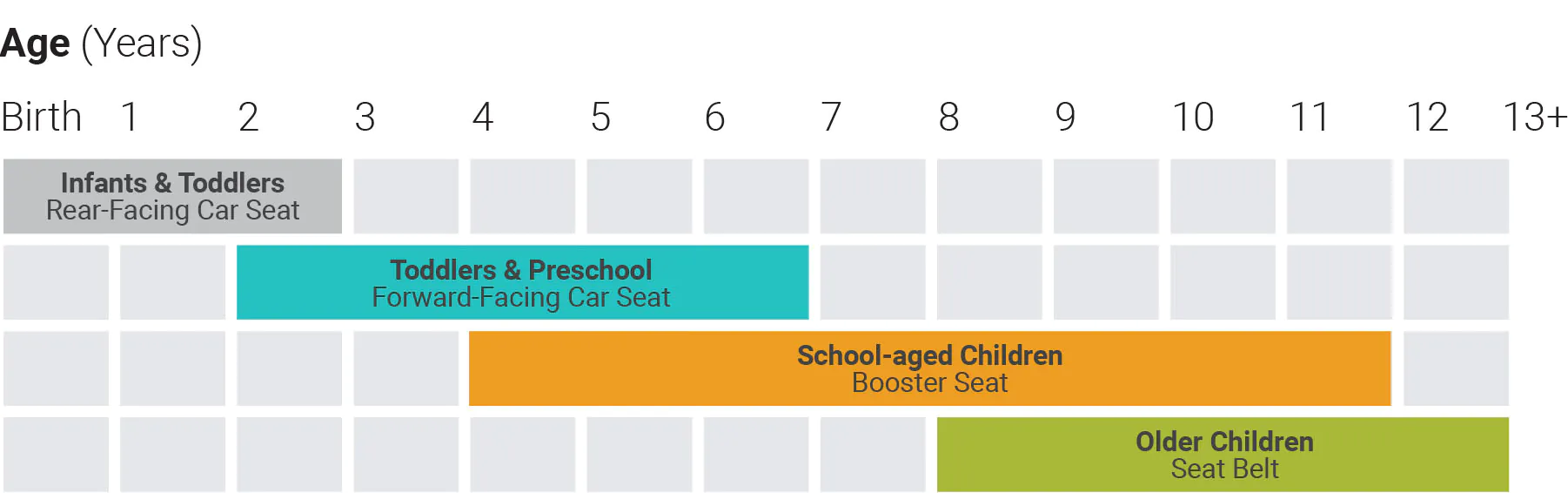
Keep your child rear-facing as long as possible. The American Academy of Pediatrics recommends staying rear-facing until your child reaches the maximum height or weight limit of their specific car seat (usually age 2 or older).
Selecting a Car Seat
Does the car seat fit your child correctly?
Is the car seat easy for you to use?
Does the car seat fit your car?
Can you install the car seat correctly every time?
Read the Manual: Check the car seat manual or look online to learn how to install the seat correctly.
Airbags: NEVER put a rear-facing seat in the front seat if there is a passenger airbag.
The Right Path: If you are using a "convertible" seat, it will have two different paths for the seat belt or LATCH strap. Make sure you use the path labeled "Rear-Facing." Check your manual if you aren't sure which is which.
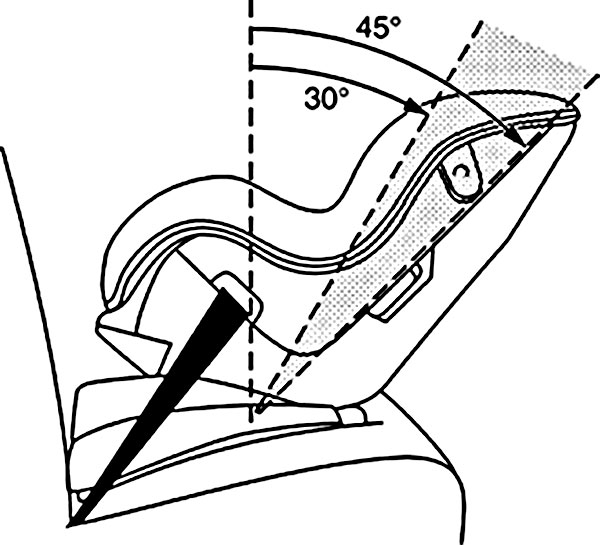
Angle: Recline the seat to a 30–45 degree angle. This keeps the baby’s head from falling forward and blocking their airway.
The "1-Inch Rule": Once installed, the seat should not move more than 1 inch in any direction at the belt path.
LATCH vs. Seat Belt: Use one or the other—never both at the same time.
Securing Your Child
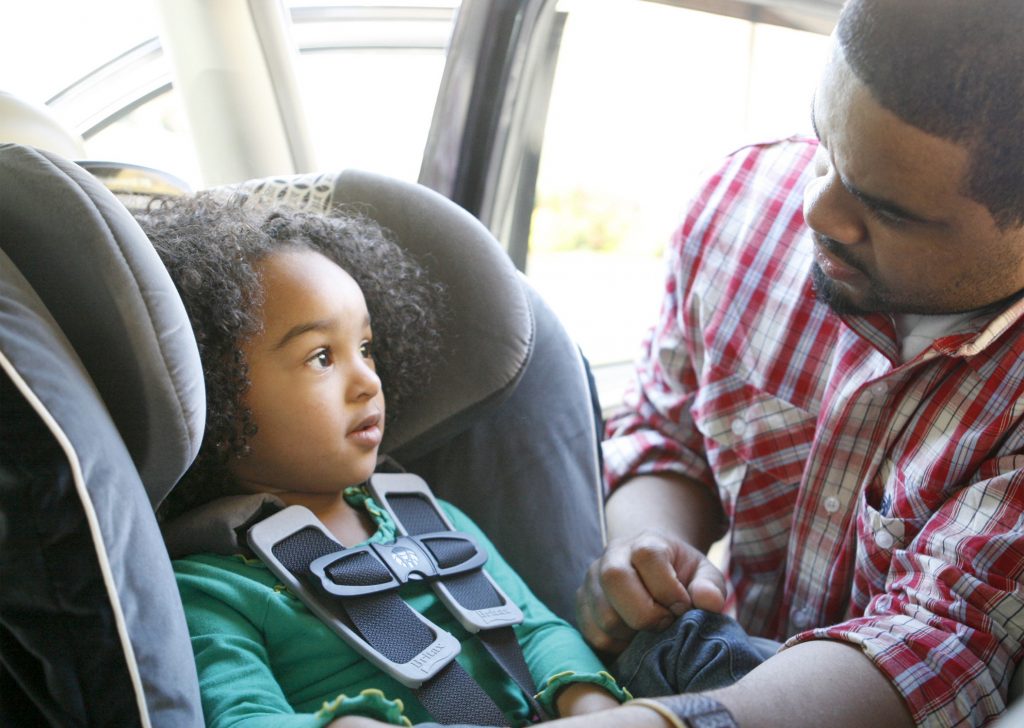
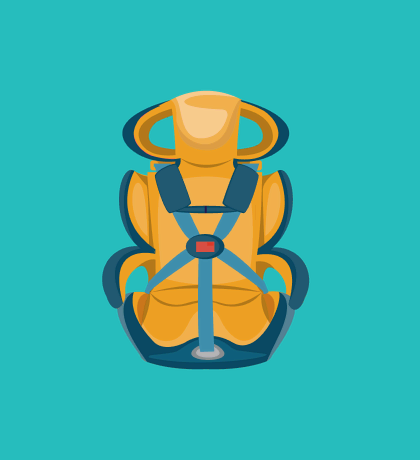
Harness Height: Straps should be at or below the child’s shoulders.
Chest Clip: Keep the clip level with the armpits.
The "Pinch Test": Adjust the harness straps so you cannot pinch the webbing together vertically and the harness is touching the child.
No Bulky Clothes: Do not put your child in a puffy coat or snowsuit under the straps. Put a blanket over them after they are buckled.
Tips for Success
Leg Position is Safe
It is perfectly okay if your child’s legs touch the back of the vehicle seat or appear "scrunched." This does not pose a safety risk and is not a reason to move them to the next seat level too early.
Avoid Aftermarket Add-ons
Only use items that originally came with the car seat. Adding unapproved mirrors, toys, or extra padding can become dangerous projectiles or interfere with the seat's safety in a crash.
Replace After a Crash
Always replace a car seat after a moderate or severe crash. If the crash was minor, consult the seat manufacturer’s instructions to see if it is still safe to use.
Fill out the registration card that comes with your seat or go to the car seat manufacturer website to register. This is the only way the manufacturer can contact you directly if there is a safety recall.
Because every car and car seat is designed differently, always read both the car seat manual and your vehicle’s owner’s manual for proper installation.
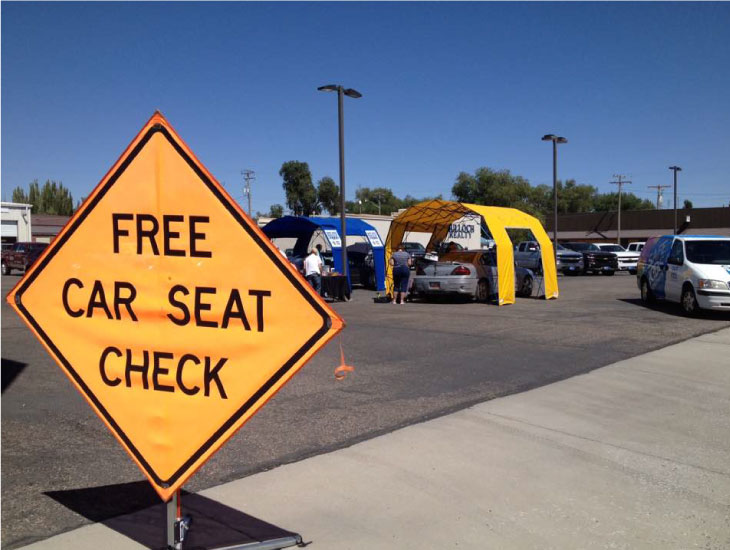
Car Seat Inspection Stations provide free, expert help from certified technicians. We ensure your seat is installed correctly and teach you how to use it safely every time.